Discover Bryan’S Dumpling House
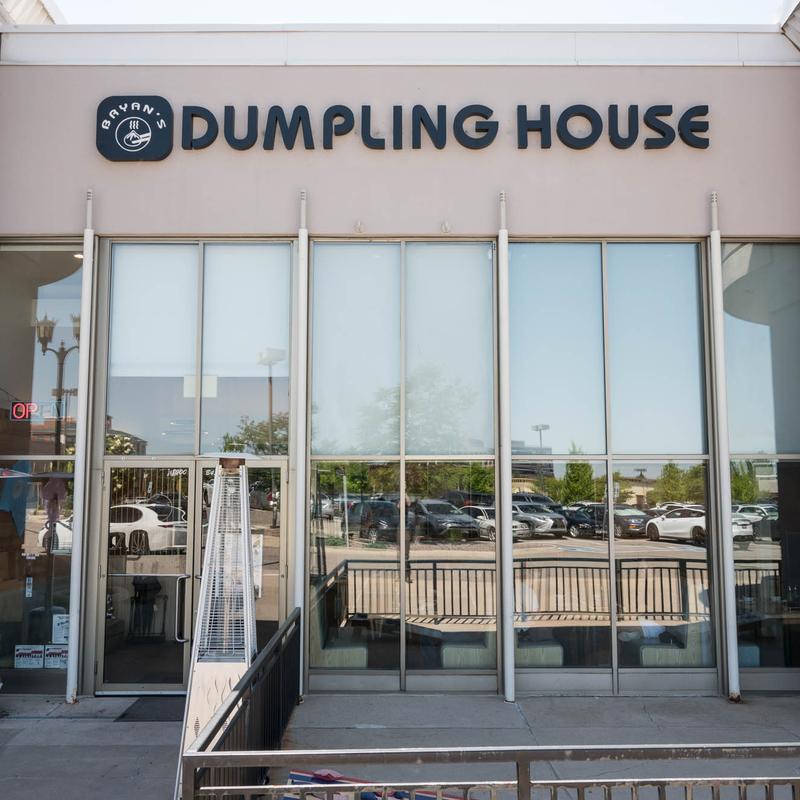
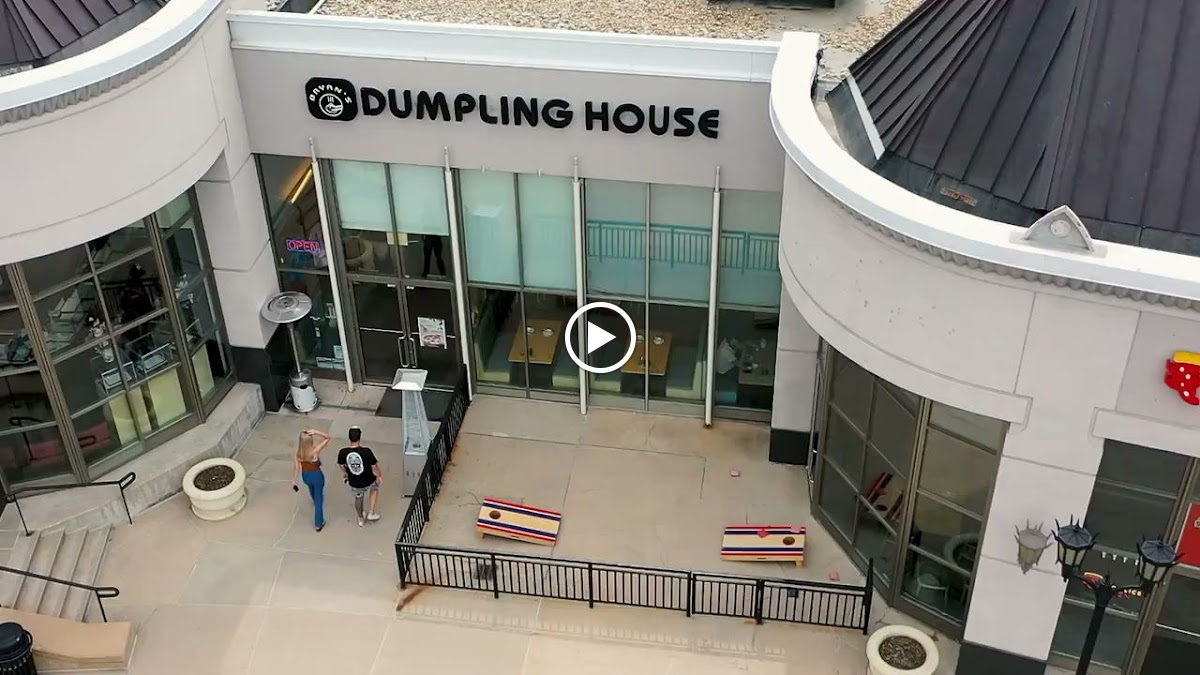
Walking into Bryan’S Dumpling House feels like stepping into the kind of neighborhood diner people whisper about when they want comfort food done right. I first stopped by during a long lunch break near 8000 E Belleview Ave Suite B45, Greenwood Village, CO 80111, United States, expecting a quick bite. Instead, I ended up staying longer than planned, watching plates of dumplings come out of the kitchen with the kind of consistency that only comes from repetition and care.
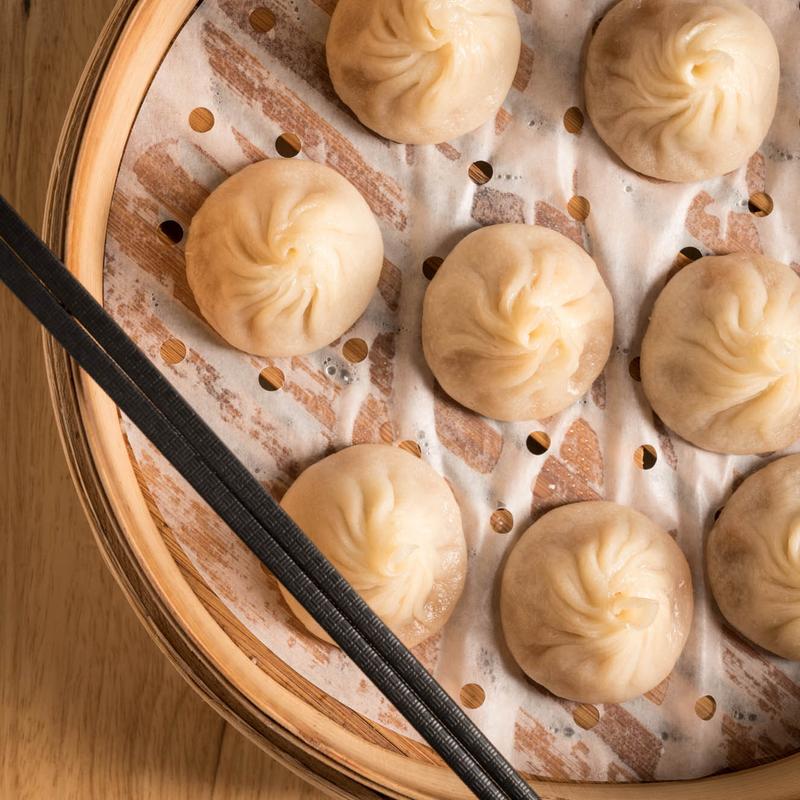
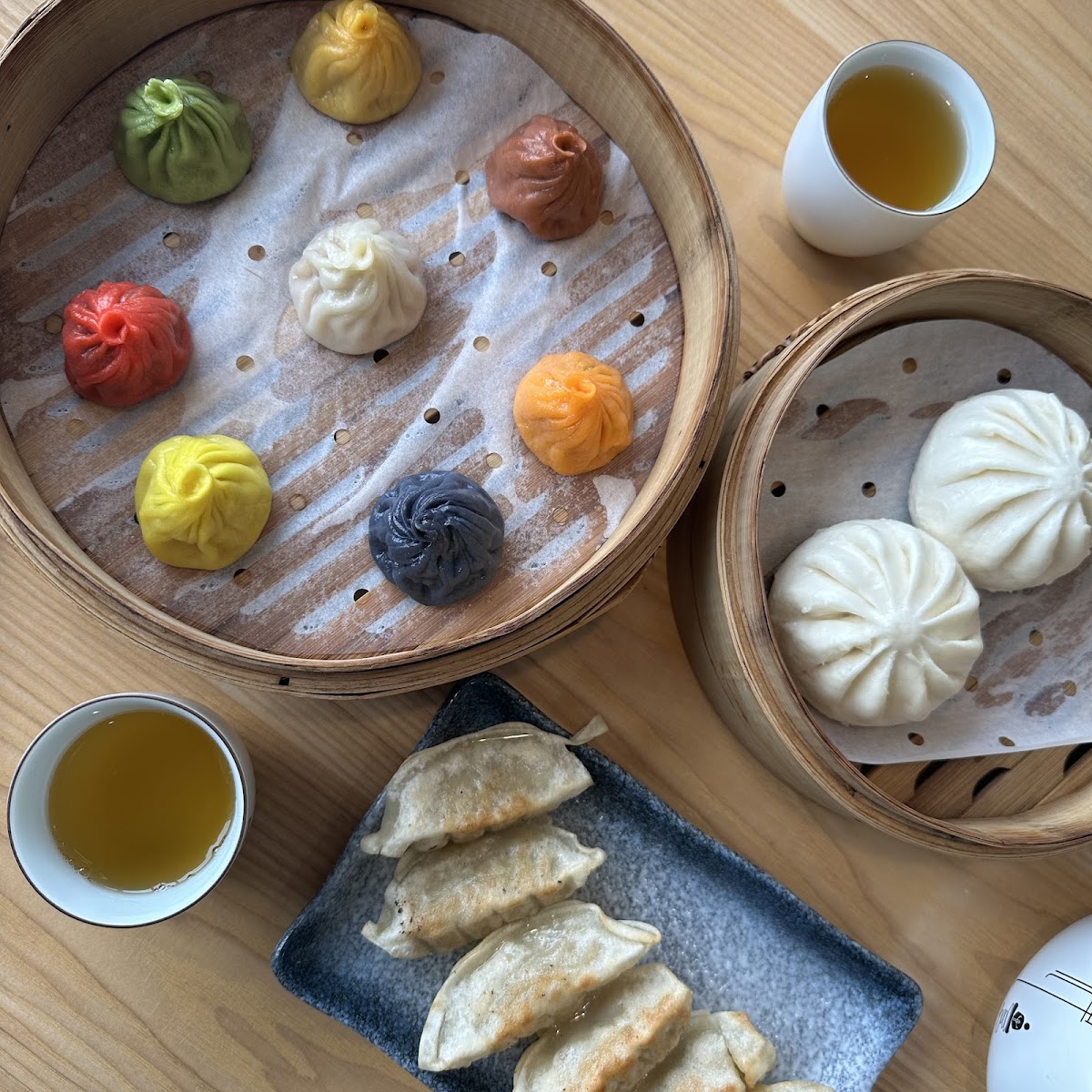
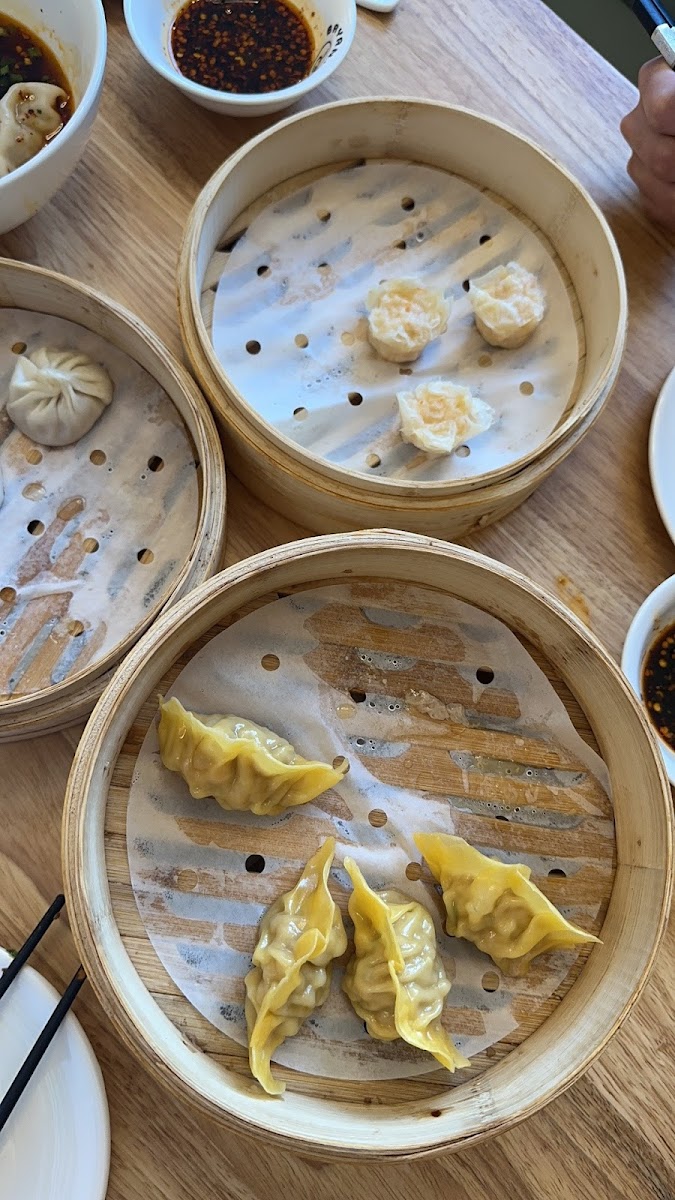
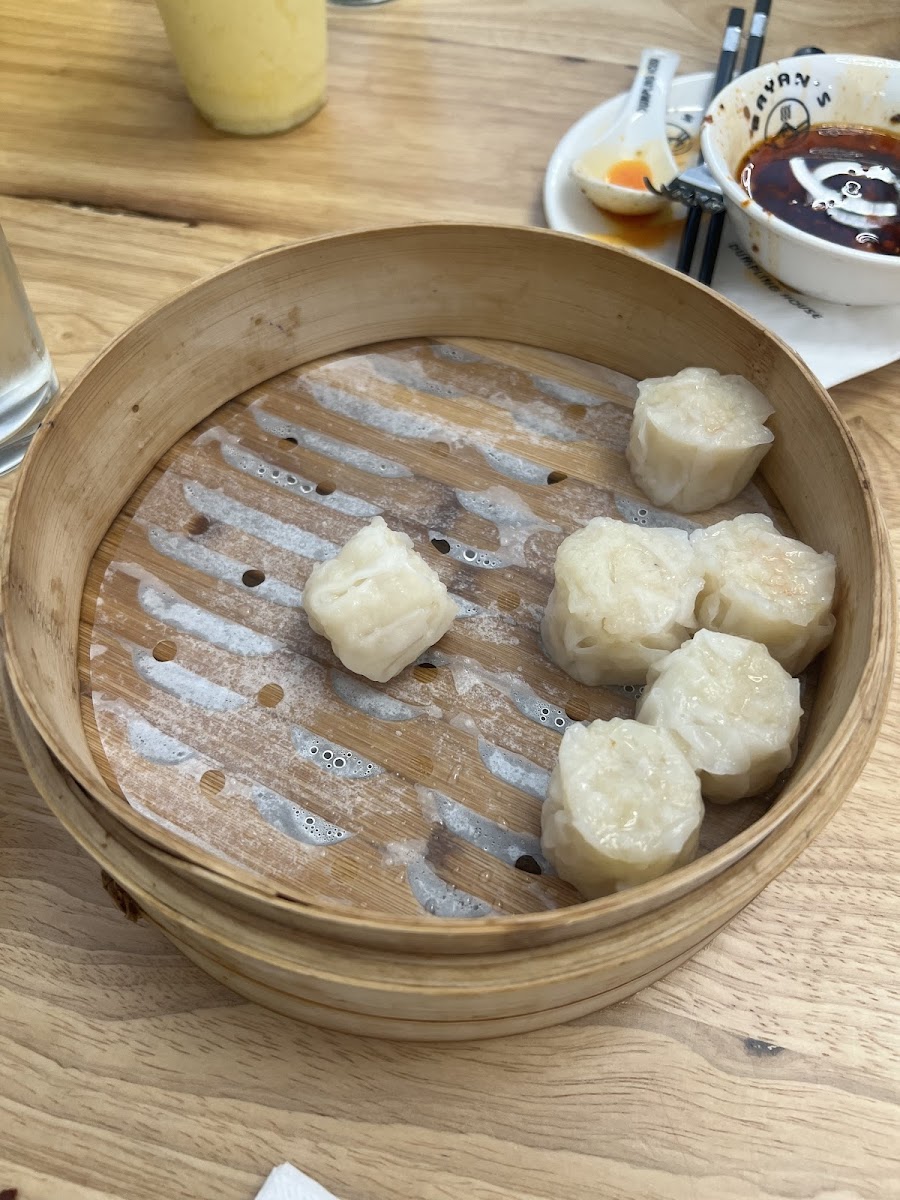
The menu leans heavily into handmade dumplings, and that focus shows. The wrappers are thin but sturdy, with a chew that tells you they were rolled fresh. I watched the staff pleating dumplings behind the counter, a process that takes skill and muscle memory. According to culinary research from the Chinese Cuisine Association, proper dumpling folding isn’t just visual; it affects how steam circulates inside, which impacts texture and flavor. That attention to detail is exactly what separates average dumplings from great ones.
One of the standout items is the pork and chive dumpling, juicy without being greasy. The balance of fat to meat feels deliberate. Food science studies from institutions like the Institute of Food Technologists show that a roughly 20% fat content in ground pork yields the most satisfying mouthfeel, and that ratio seems spot on here. When dipped lightly into their house vinegar sauce, the flavors stay clean and layered rather than overpowering. The kitchen seems to follow the fresh over frozen philosophy, and it makes a noticeable difference.
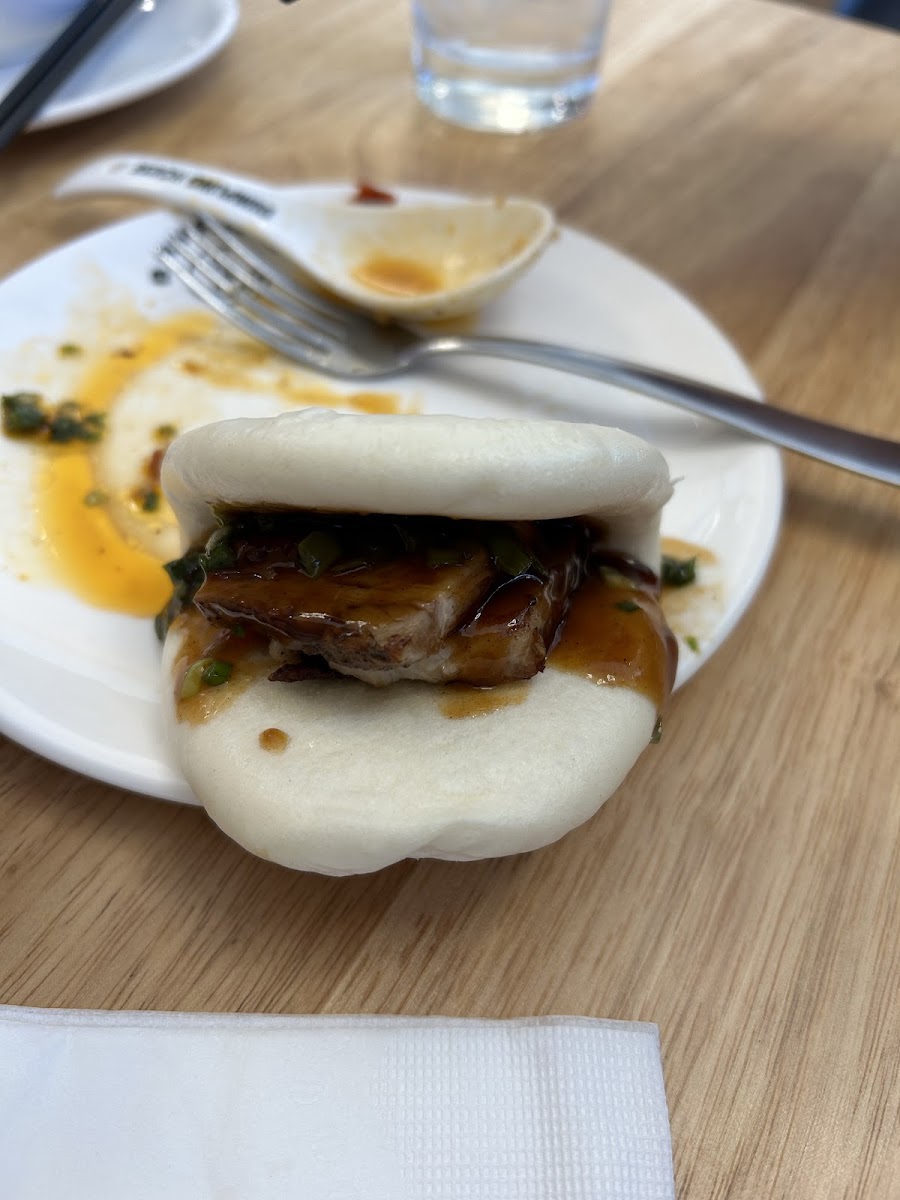
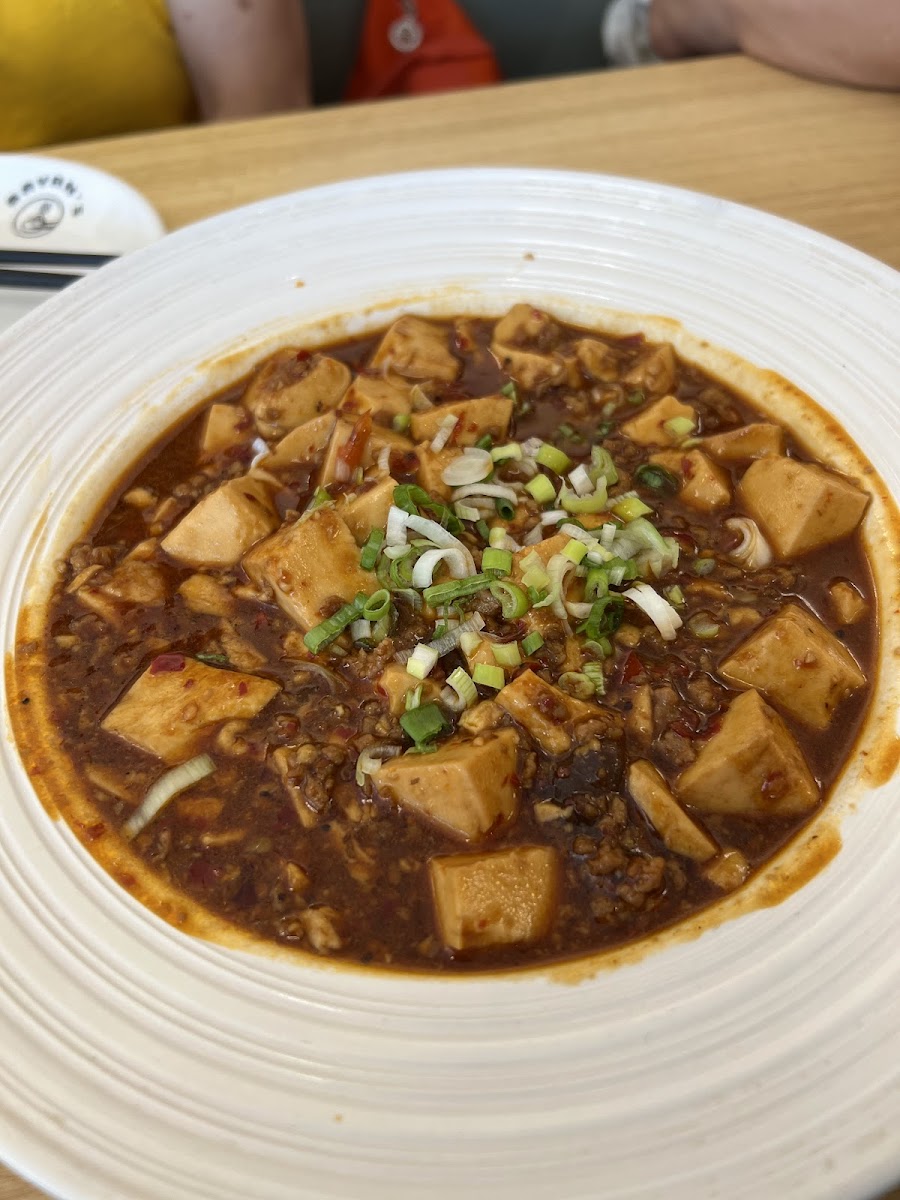
Beyond dumplings, the menu includes noodles and small plates that support the main attraction instead of distracting from it. I’ve ordered the hand-pulled noodles on a separate visit, and watching them stretch dough into long strands was a reminder that traditional methods still matter. These techniques have been passed down for generations, and organizations like UNESCO have even recognized traditional noodle-making as part of intangible cultural heritage in some regions. You can taste that history in each bowl.
Reviews from locals often mention consistency, which is something I value more than novelty. Over multiple visits, the food has been reliably good, even during peak dinner hours. That suggests a well-managed kitchen process, from prep schedules to ingredient sourcing. While I can’t verify every supplier, the vegetables taste fresh, and the meat quality hasn’t dipped, which builds trust over time.
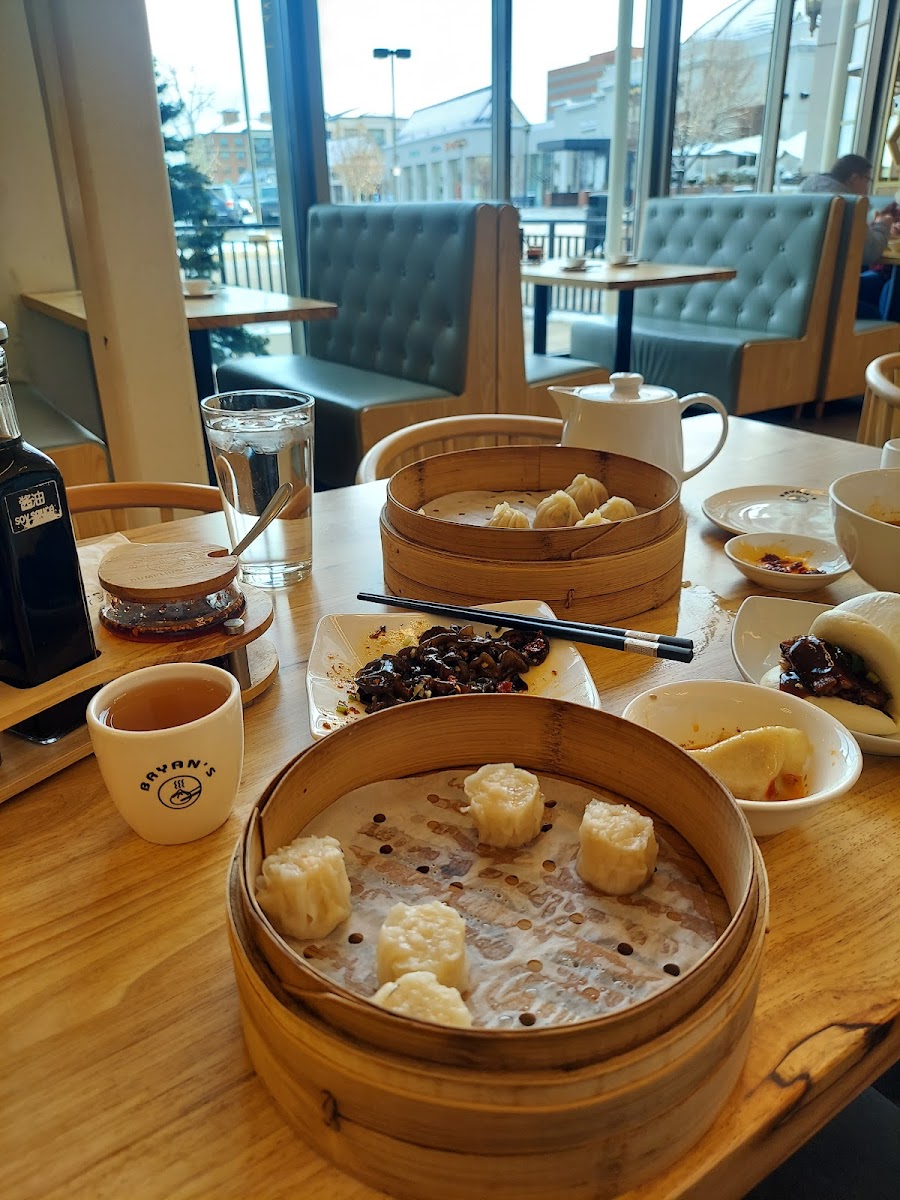
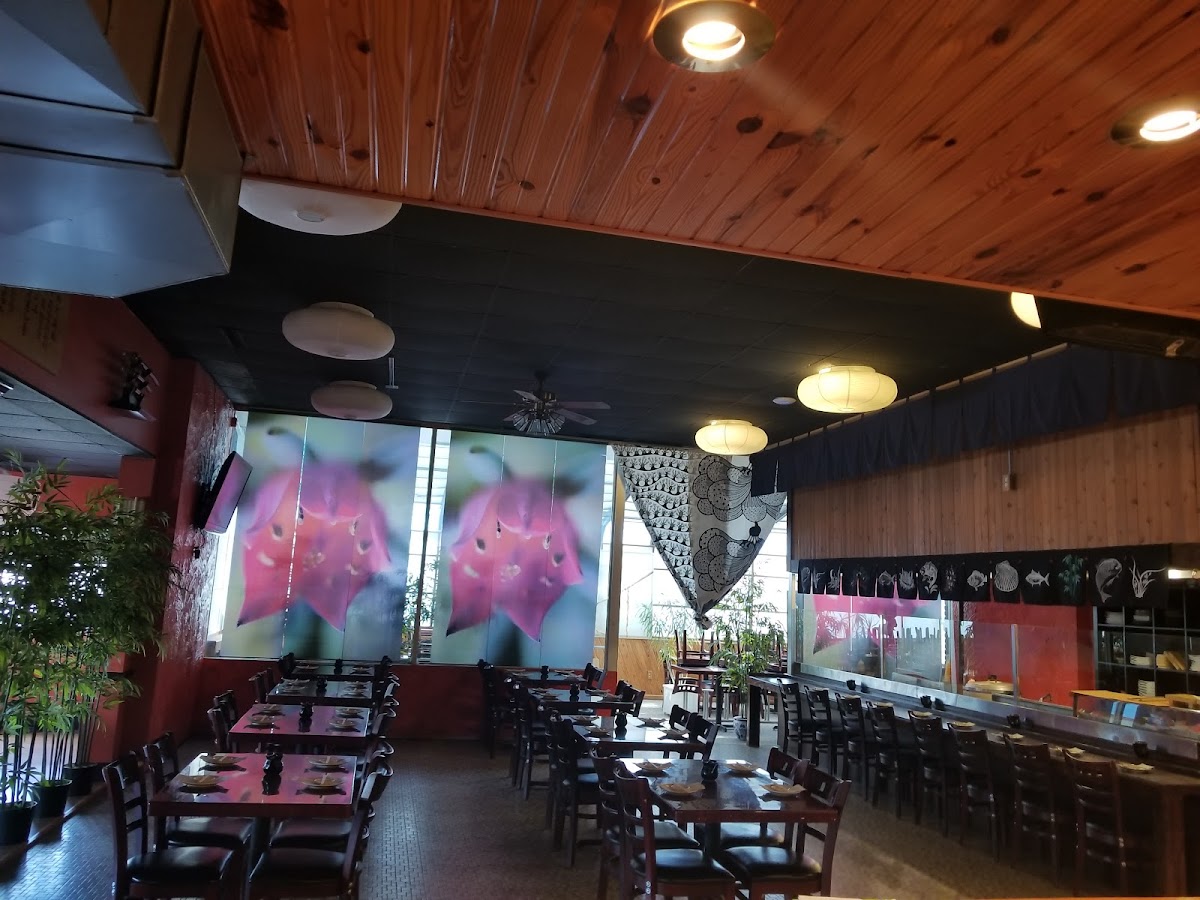
The location itself is practical and easy to access, especially for people working nearby. It’s not flashy, but it doesn’t need to be. The dining area feels casual, and the staff moves with purpose. On one visit, I asked about their dumpling cooking times, and a server explained how boiling versus pan-frying changes the internal temperature curve. That level of understanding isn’t scripted; it comes from experience.
If there’s a limitation, it’s that seating can feel tight during busy hours, and the wait can stretch longer than expected. That said, high demand often signals quality, and most diners seem willing to wait. Online reviews echo this sentiment, often using phrases like worth the wait and comfort food done right, which align closely with my own experience.
In a dining landscape where shortcuts are common, this place sticks to fundamentals: fresh dough, balanced fillings, and repeatable techniques. For anyone who cares about how dumplings are actually made-not just how they taste-this spot delivers something increasingly rare: food that respects tradition while fitting seamlessly into a modern neighborhood routine.